Zoë understands she did not pop up out of the blue. She was imagined and is informed by several projects that were being made during her gestation. Although very different in style it was through the development of this body of work that my research with posthumanism and new materialism became essential to my arts practice. While collaboration with the devising processes has deep roots within my creative history, thoughtful, research based collaboration with the non-human including the environment (living and non-living) and the technological (iMovie, iPhone camera) are new territory.
Balcony Dances
There are ten Balcony Dances here is a selection: view as many or as few as you like.
password: Debirisbatt
My middle-aged body is my most intelligent asset, it defies the stereotypical traits of the invisible older woman, it seems important at this time to exploit its potential. By exploring the threshold between public/ private space and personal /political themes I assert the presence of the post-menopausal female body with humour and spectacle.
‘The Affective Turn’ which has grown out of feminist and queer theory has also allowed more attention to be given to the body as a site of experiential knowledge.[1]
THRESHOLD PIECES
As life returned to ‘covid normal’ in 2021, I enjoyed new travelling freedoms with pre-covid commitments. My arts practice continued with active responses to the new environments that I encountered while away.
There are ten Threshold Pieces. Here is a selection from this series, I suggest choosing one or two at random.
Video Password: debirisbatt
“Nomadic shifts enact a creative sort of becoming; they are a performative gesture that allows for
otherwise unlikely encounters and unsuspected sources of interaction, experience and knowledge.”[2]
These in-between spaces such as the balcony, porch, veranda, stairs, fence, courtyard, coastline (sand and/or rocks) suggest an edge or a boundary and have implications for public art practices as suggested by Situations “Live – art – body- duration – public – space – works in which these terms intersect, then, activate the ‘de-containing’ potential of performance; the way in which it can refuse the boundary-making function of aesthetics and its contemporary corollaries . . . “[3]
Experimenting with the body in movement or as active installation draws attention to our known and unknown borders, our perceived and real limits, our categorisations, and hierarchies our tendency to limit and control movement.
#LEANONAPOST
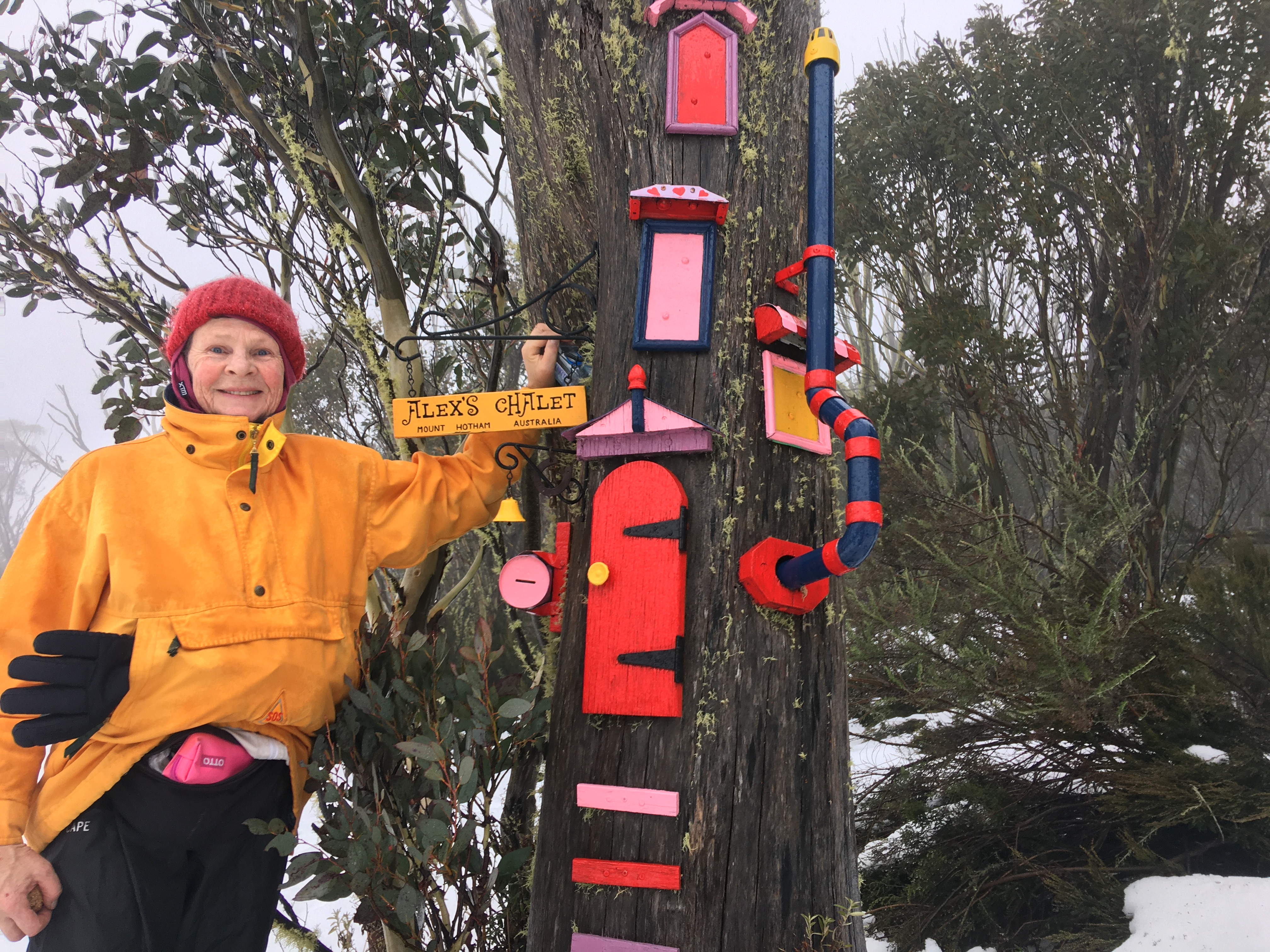
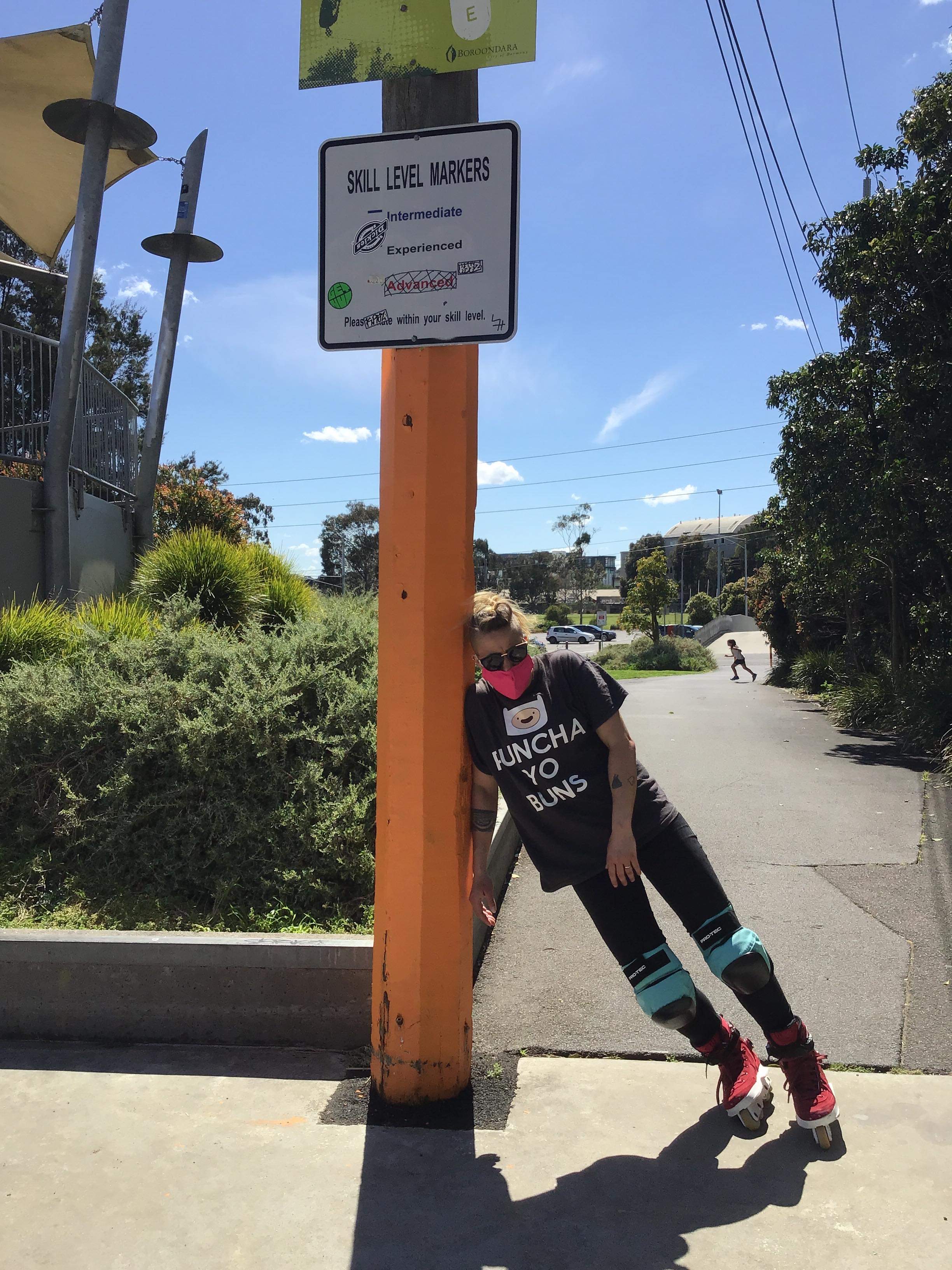
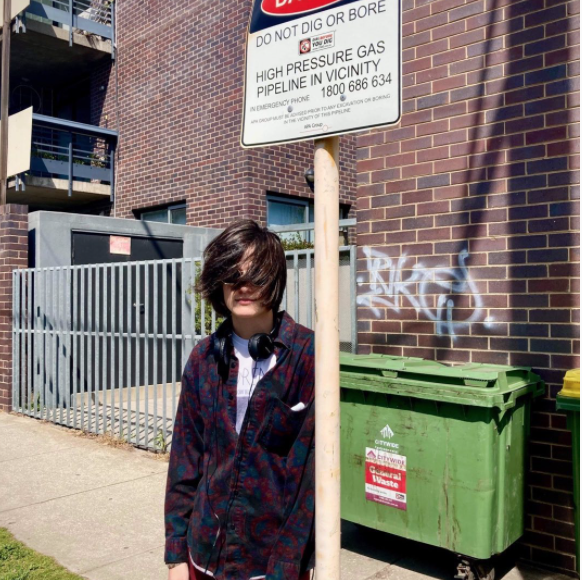
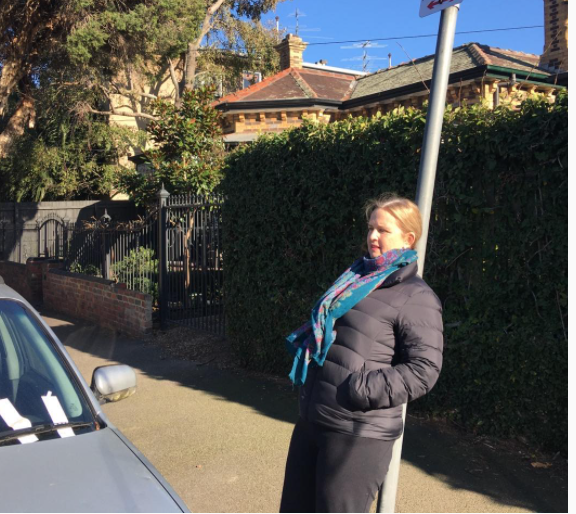
Based on the premise that the public space is there to support us #leanon a post is an invitation to lean, seek rest perhaps, and sometimes to draw attention to the many instructions posted in the public space.
This project is a collaboration between the Public Space Museum; RMIT School of Art, Master of Arts –Art in Public Space candidates and the London Metropolitan University’s Master of Public Art and Performance Candidates. The work is part of Bologna’s paste-up festival CHEAP for 2021.[4]
The Instagram posts were converted into a video for the exhibition, Propositions for Public Space 2021 Museo Spazio Pubblico/Public Space Museum, Bologna and they continue to accumulate, as you can see below.
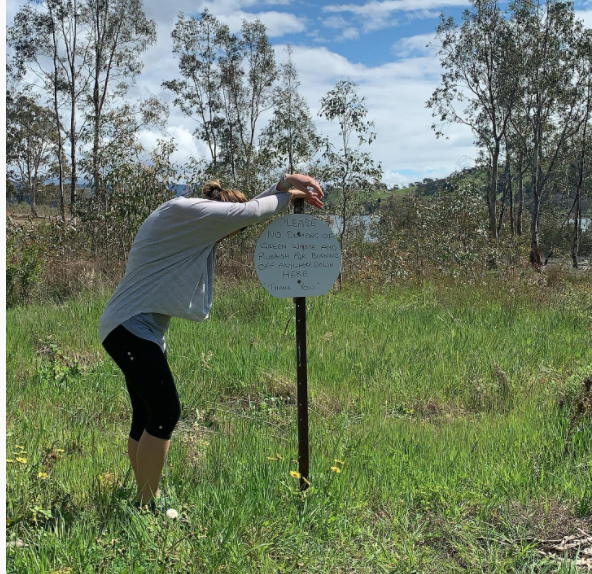
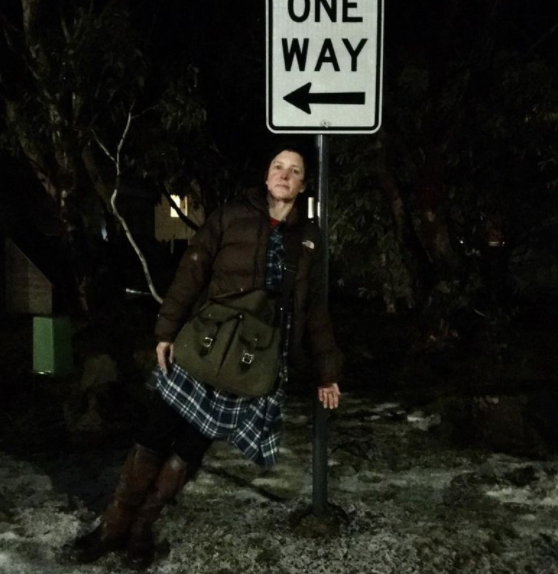
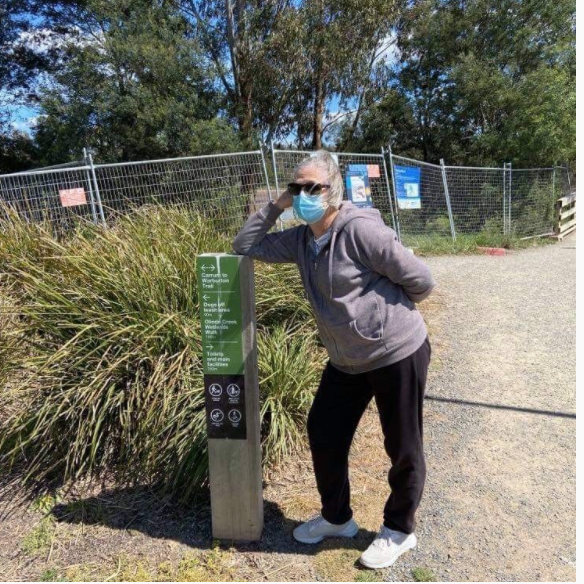
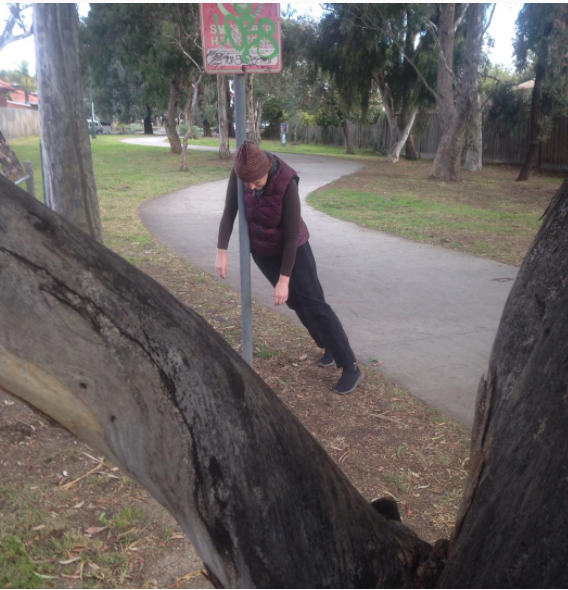
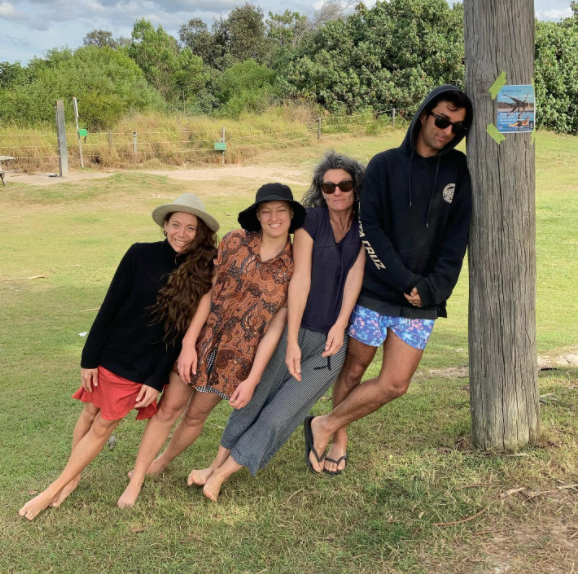
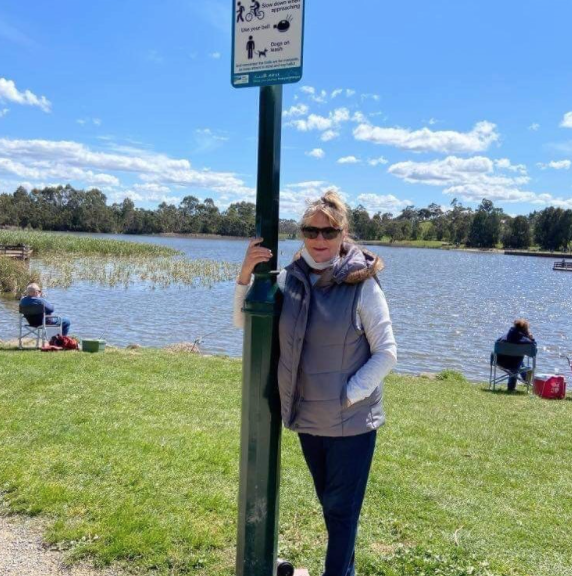
“The Public Space Museum is the first Italian research centre entirely dedicated to collaborative and transdisciplinary approach to public space practice, merging art, architecture and technology into a complex new discipline.”[5]
A SPECTACLE OF HERSELF
The Personal is Political
This is a curatorial assemblage of my arts practice, a synthesis of the work up to the end of studio 2, it combines the videos with written responses to the life stories that also arose during the previous twelve months as voice over. The merging of domestic and public life in lockdowns cannot be escaped. I recognise that my work is often pushing against containment while interacting with the perceived, concrete, and gendered boundaries that confine or limit movement in some way. While it is no longer legal to gender spaces, the historical politics of geography continue to impact our relationship to public space as Massey points out,
“One of the most evident aspects of this joint control over spatiality and identity has been in the West related to the culturally specific distinction between public and private. The attempt to confine women to the domestic sphere was both a specifically spatial control and through that a social control on identity”[6]
Video password: Debirisbatt
WARNING this video contains reference to child sex abuse.
Here’s Something You Don’t Know
Lean with Dignity
I am drawing attention to the convergence of threshold spaces – the spaces between the private and public, with feminist themes – the personal is political is central to understanding feminism as a movement that contests patriarchal constructs including access to spaces.[7] Although the public discourse around gender binaries has been well and truly challenged thanks to the feminist and LGBQTI+ communities. There remains work to be done to continue to dismantle assumptions and prejudices about how all bodies are free to move or not in public spaces.
Footnotes
[1] Kennedy Amanda K. ‘The Affective Turn in Feminist Media Studies for the Twenty first Century Eds Harp, D., Loke, J., & Bachmann, I. (Eds.).Feminist approaches to media theory and research. 2018 ProQuest EbookCentral://ebookcentral.proquest.com’ target=’_blank’ style=’cursor: poin Created from rmit on 2020-10-10 02:04:36.
[2] Braidotti, Rosi. “Writing as a Nomadic Subject’ Nomadic Theory” Comparative Critical Studies 11. 2–3 (2014): 163–184
[3] Cross David & Doherty Clare ed. One Day Sculpture. Jones, Amelia. Performance: Time, Space, and Cultural Value, p31. Kerber Verlag
[4] https://www.cheapfestival.it/call-edizione-2021-en/
[5] http://www.cityspacearchitecture.org/?p=our-public-space-museum-in-bologna
[6] Massey Doreen Space Place and Gender University of Minnesota press, 1994, ProQuest Ebook central. http://ebookcentral.proquest.com/lib/rmit/detail.action?docID=310824. Create from RMIT on 2021-04-21
[7] Braithwaite, Ann (2002-12-01). “The personal, the political, third-wave and postfeminisms”. Feminist Theory. 3 (3)
 In the Middle of Zoë